
Immersive Tourism in Oman – Preserving Heritage through Digital Twins
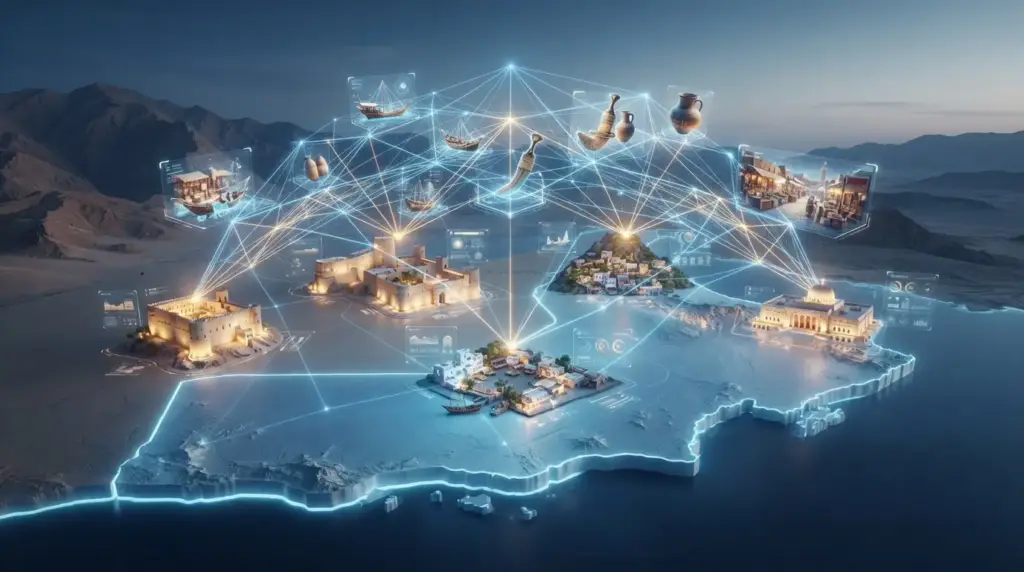
Oman is renowned for its forts, wadis and centuries‑old markets. As the country diversifies its economy through tourism, preserving and presenting cultural heritage becomes essential. Digital twins offer a powerful tool: they create detailed virtual replicas of heritage sites and artefacts, allowing visitors and students to explore history through interactive experiences. Metas’ digital twin and AI avatar expertise makes such projects possible, combining 3D scanning, game engines and bilingual narration.
Applications of Digital Twins in Heritage Tourism
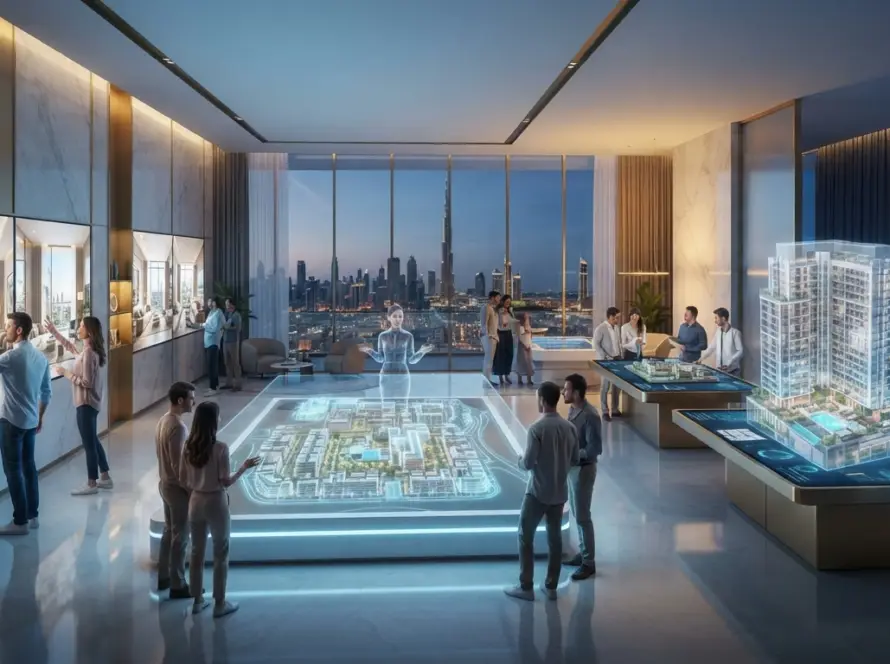
- Virtual Heritage Tours: Visitors at the National Museum of Oman can explore reconstructed forts and artefacts via touchscreens or VR headsets. Interactive elements highlight historical facts, trade routes and construction techniques.
- Online Access: Students and tourists abroad tour Oman’s UNESCO sites (e.g., Bahla Fort, the ancient city of Qalhat) online, fostering interest before travel.
- Augmented Reality (AR) Guides: On‑site AR apps overlay digital reconstructions onto ruins, showing how buildings looked centuries ago.
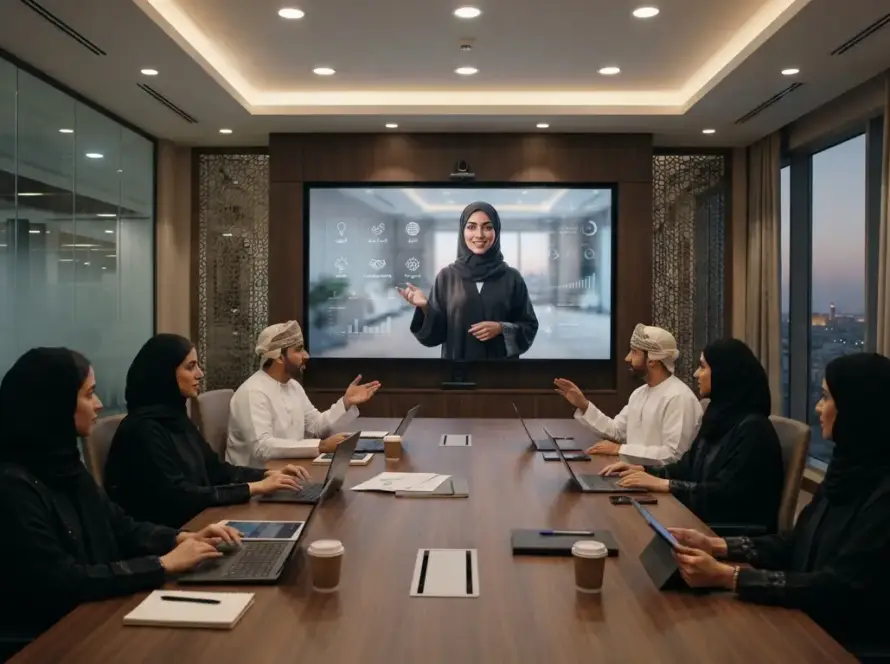
- AI Narrators: Bilingual AI avatars serve as virtual tour guides, telling stories in Arabic and English and answering questions.
- Preservation: Scanning artefacts and architecture preserves details for future generations and assists in restoration efforts.
Benefits for Oman
- Cultural Preservation: Digital documentation safeguards fragile sites from erosion and human impact.
- Tourism Promotion: Immersive experiences attract tech‑savvy visitors and differentiate Oman’s tourism offerings.
- Education: Schools and universities integrate digital twins into curricula, making history come alive for students.
- Inclusivity: People with mobility constraints or living abroad can access heritage sites virtually.
- Economic Diversification: High‑tech experiences create jobs in content creation, scanning and XR development.
Implementation Steps
- Site Selection: Identify cultural sites and artefacts with high tourism potential.
- 3D Scanning: Use Metascan and photogrammetry to capture detailed models.
- Content Development: Create narratives, AR overlays and interactive puzzles to engage users.
- Platform Deployment: Host experiences in museums, visitor centres, mobile apps or web portals.
- Community Involvement: Work with local historians and artisans to ensure authenticity and respect cultural sensitivities.
FAQs
How accurate are digital twin reconstructions?
We combine historical records, architectural drawings and expert consultations to ensure accuracy.
Can visitors access experiences without VR headsets?
Yes. Touchscreens and web portals are available for those without VR devices.
How long does it take to digitise a site?
Small sites may be completed in weeks, while larger complexes require phased scanning and modelling.
Are experiences bilingual?
Yes. Content can be delivered in Arabic and English to cater to local and international audiences.
FAQs for CMS
FAQ 1 Question: How accurate are digital twin reconstructions?
FAQ 1 Answer:We combine historical records, architectural drawings and expert consultations to ensure accuracy.
FFAQ 2 Question: Can visitors access experiences without VR headsets?
FAQ 2 Answer: Yes. Touchscreens and web portals are available for those without VR devices.
FAQ 3 Question: How long does it take to digitise a site?
FAQ 3 Answer: Small sites may be completed in weeks, while larger complexes require phased scanning and modelling.
FAQ 4 Question: Are experiences bilingual?
FAQ 4 Answer: Yes. Content can be delivered in Arabic and English to cater to local and international audiences.
Call to Action
Want to bring Oman’s heritage to life? Contact Metas-> to discuss digital twin solutions for museums, forts and cultural sites across the Sultanate.