

VR Safety Training in Oman’s Oil & Gas Sector
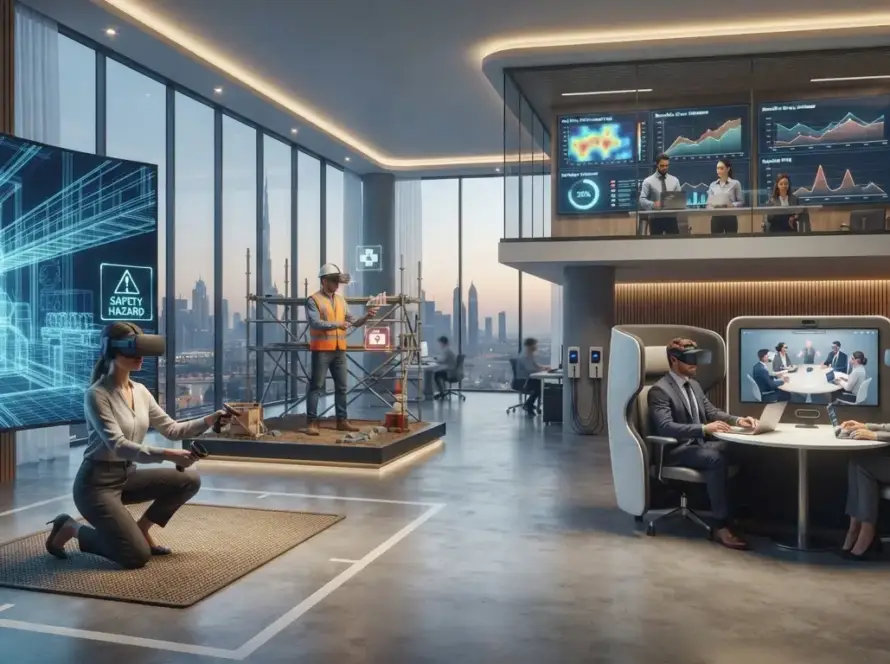
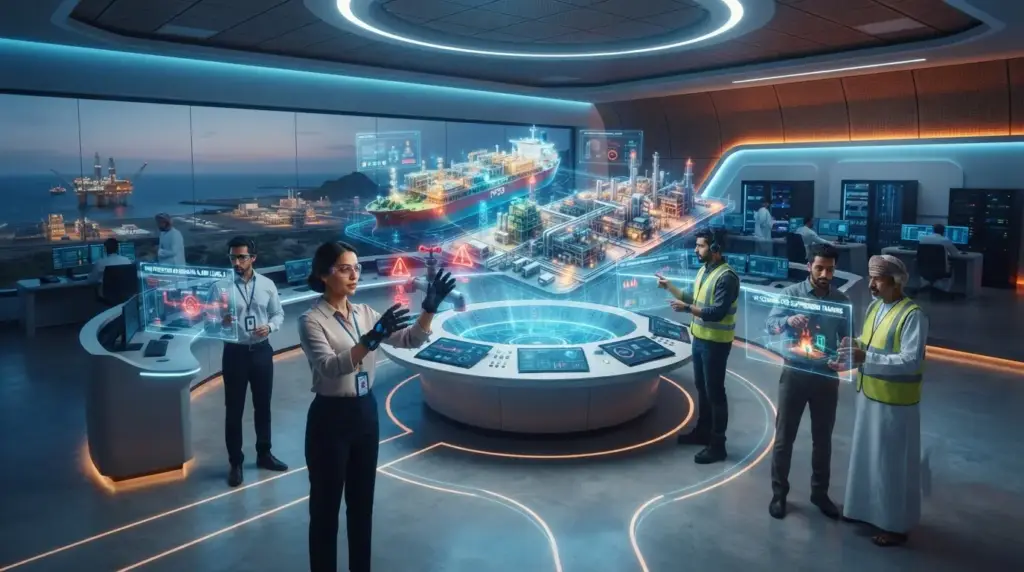
Oman’s oil and gas sector is the backbone of its economy, employing thousands of workers in harsh environments. Safety is paramount, yet traditional training methods struggle to prepare employees for high‑risk situations. Virtual reality (VR) safety training offers a solution by immersing trainees in realistic scenarios where they can practise emergency responses without danger. Metas’ training simulations replicate real cities, industrial plants and rules using Unreal Engine technology. This article explains how Omani operators can deploy VR safety training to reduce accidents and improve compliance.
Challenges in Oil & Gas Safety Training
Industrial operations involve complex machinery, hazardous chemicals and remote locations. Classroom sessions and PowerPoint presentations cannot replicate the urgency of a gas leak or equipment failure. Workers may forget procedures or panic when an incident occurs. Additionally, hands‑on drills are expensive and may disrupt production.
How VR Safety Training Works
- Virtual Environments: VR headsets transport trainees to accurate 3D models of refineries, rigs and pipelines. The software includes realistic physics, weather conditions and equipment behaviour.
- Scenario Simulation: Trainees navigate hazardous situations—such as fire outbreaks, hydrogen‑sulphide leaks or equipment malfunctions—and practise shutdown procedures.
- Real‑Time Feedback: The system records decisions and response times. Coaches review performance and provide targeted feedback.
- Repeatability: Scenarios can be repeated until mastery is achieved, improving confidence and muscle memory.
- Language Options: Modules support Arabic and English, ensuring comprehension across multinational teams.
Benefits for Omani Operators
- Improved Safety: Workers practise critical procedures without risking lives or equipment.
- Regulatory Compliance: VR simulations align with Omani HSE standards and international best practices.
- Cost Savings: Digital training reduces travel to training sites, equipment wear and production downtime.
- Engagement & Retention: Interactive learning increases knowledge retention compared with lectures.
- Scalability: Modules can be rolled out across multiple sites, ensuring consistent training for new hires and contractors.
Implementation Guide
- Needs Assessment: Identify high‑risk tasks and regulatory requirements (e.g., handling hydrogen‑sulphide).
- Customisation: Work with Metas to design scenarios reflective of Omani facilities and workflows.
- Pilot Programme: Test the module with a small group at a Muscat facility. Collect feedback on language, realism and usability.
- Integration: Deploy modules across sites and integrate with Learning Management Systems for reporting.
- Continuous Improvement: Update scenarios to reflect new equipment, procedures or regulations.
FAQs
Do trainees need VR headsets?
Headsets deliver the most immersion, but scenarios can also run on desktop or mobile.
How long does a session last?
Typical sessions last 20–30 minutes, including briefing and debrief.
Are training results recorded?
Yes. Performance metrics such as reaction time and correct procedure completion are logged for each trainee.
Is the training in Arabic?
Modules support Arabic and English to accommodate local and foreign workers.
FAQs for CMS
FAQ 1 Question: Do trainees need VR headsets?
FAQ 1 Answer: Headsets deliver the most immersion, but scenarios can also run on desktop or mobile.
FAQ 2 Question: How long does a session last?
FAQ 2 Answer: Typical sessions last 20–30 minutes, including briefing and debrief.
FAQ 3 Question: Are training results recorded?
FAQ 3 Answer: Yes. Performance metrics such as reaction time and correct procedure completion are logged for each trainee.
FAQ 4 Question: Is the training in Arabic?
FAQ 4 Answer: Modules support Arabic and English to accommodate local and foreign workers.
Call to Action
Protect your workforce and stay compliant. Contact Metas-> to develop a tailored VR safety training programmed for your oil and gas operations in Oman.