
VR Training for Saudi Energy & Utilities: Safer Skills with Simulation
Energy and utility companies operate critical infrastructure, where mistakes can lead to serious injuries, equipment damage or service disruptions. Traditional training methods—classroom lectures or paper manuals—often fail to convey the complexity of real‑world tasks, leading to low engagement and poor knowledge retention. Practicing on‑site is risky and expensive, especially when dealing with high‑voltage equipment, hazardous chemicals or remote oil platforms.
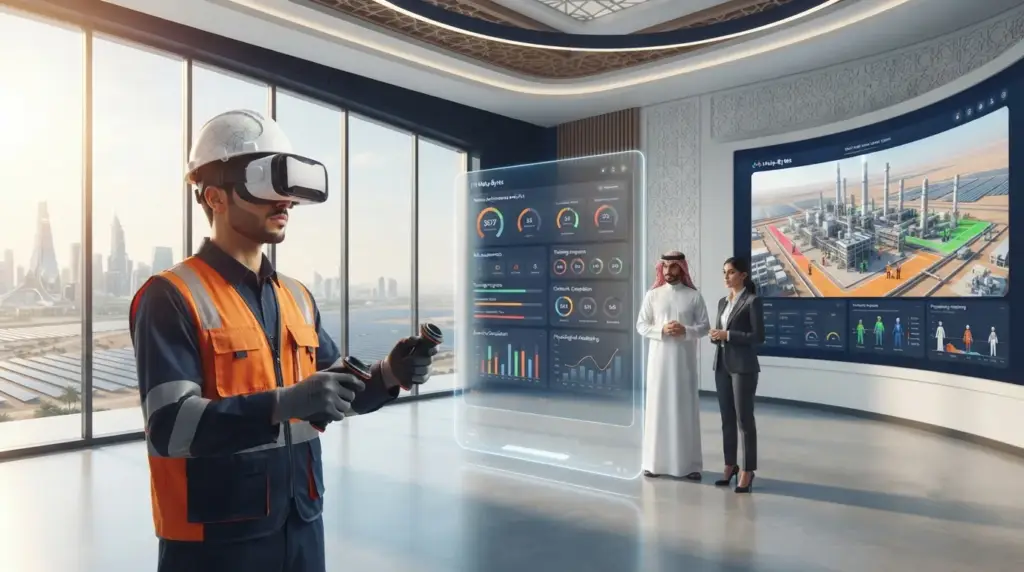
Immersive VR training addresses these challenges by placing employees in realistic, interactive scenarios without exposing them to danger. Metas’s training modules, built on Unreal Engine, include AI avatars and gamified assistance. For example, a trainee might interact with a bilingual virtual mentor who guides them through step‑by‑step procedures in Arabic and English. The system records decisions, reaction times and safety compliance, providing instant feedback and enabling trainers to tailor follow‑up sessions.
Scenario‑based VR training allows staff to practice rare or emergency situations—like a pipeline leak, a substation fire or a power outage—without real‑world consequences. Participants can experiment with different responses and see how their actions impact the outcome, developing muscle memory and critical thinking. Because the modules are gamified, they maintain engagement through scoring systems, badges and progression levels, aligning with the serious game experiences Metas promotes.
For Saudi energy giants such as Aramco and the Saudi Electricity Company (SEC), these benefits translate into fewer accidents, reduced downtime and faster onboarding. Teams trained in VR reach competency sooner because they gain practical experience in a controlled environment. VR simulations can also be updated quickly to reflect new regulations or equipment, keeping training programmes current without costly physical modifications.
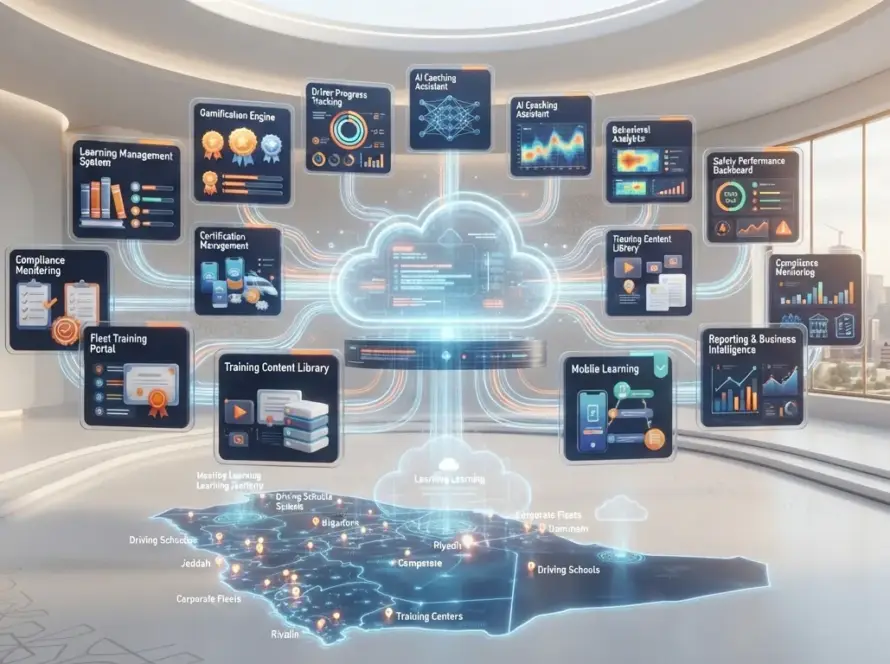
Implementing VR training begins with identifying critical skills and compliance requirements. Metas collaborates with safety officers and L&D managers to map tasks and hazards, then builds custom modules that match local standards. Integration with existing learning management systems ensures training records are tracked and certificates issued automatically. Because modules run on desktop, VR headsets or mobile devices, they scale easily across remote sites.
FAQs
What equipment is required for VR training?
Modules can run on high‑end VR headsets, desktop PCs or tablets. Metas provides hardware recommendations based on your budget and deployment scale.
How do AI avatars assist trainees?
AI avatars function as bilingual mentors, providing instruction, correcting mistakes and answering questions during the simulation.
Is the training content customizable?
Yes. Modules are designed around your specific operations, safety regulations and equipment.
Call to Action
Elevate your workforce safety and performance. Contact Metas-> to discuss a pilot VR training programme tailored to your energy or utility operations in Saudi Arabia.